If your cutlery keeps coming out of the dishwasher dirty, the problem may not be your machine but how you load it. Experts and everyday users agree that small changes in placement can make a big difference in how well your utensils are cleaned.
Loading the dishwasher is a routine task that most people do without much thought. However, according to cleaning enthusiasts and advice shared online, there is a right way to place your cutlery.
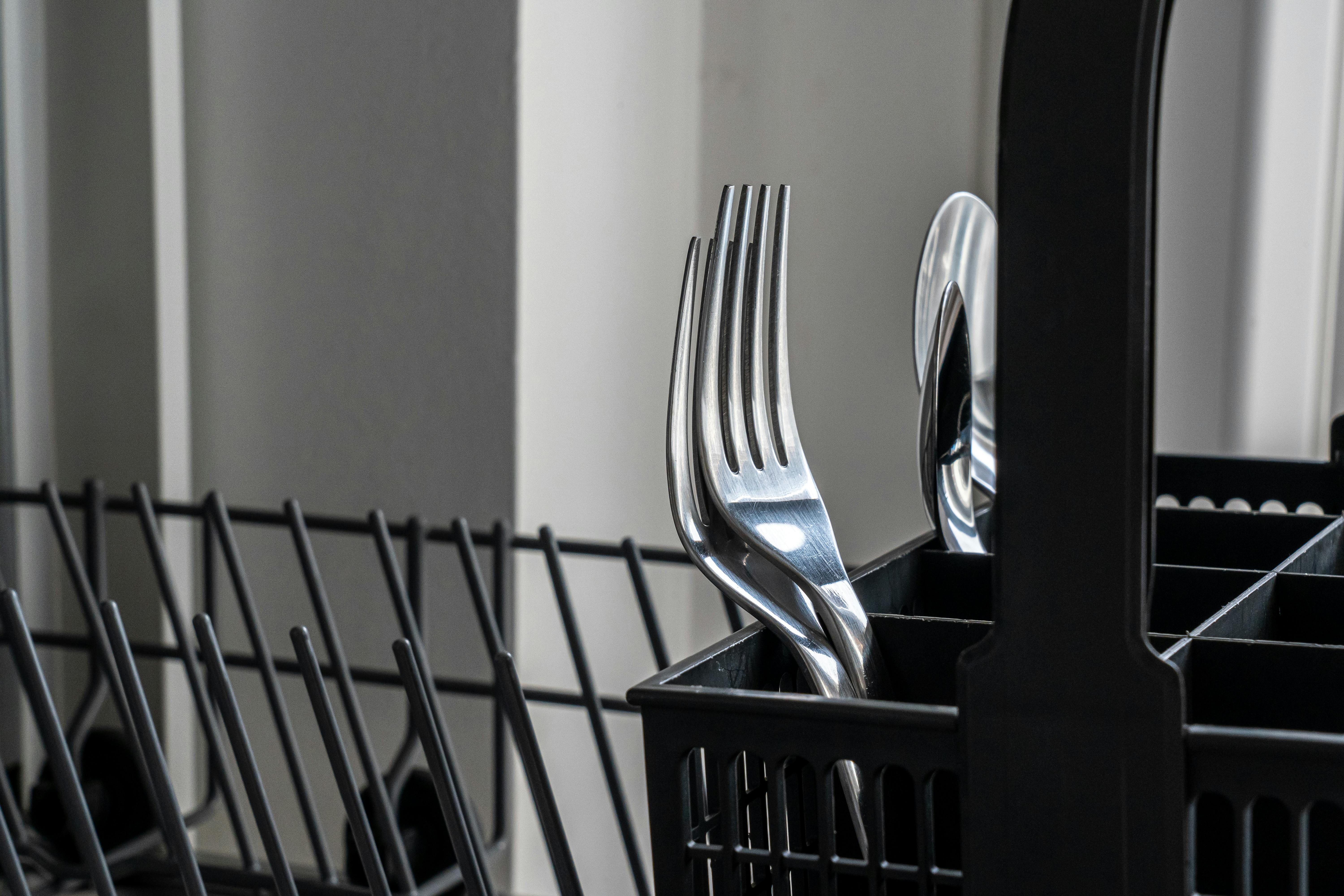
The way you position forks, spoons, and knives can directly affect how clean they come out.
If your utensils are still dirty after a cycle, the issue may not be the detergent or the machine itself. Adjusting how you load your cutlery could solve the problem.
If that does not help, other steps like cleaning the dishwasher filter or removing buildup with a cleaner may also improve results. Giving utensils a quick wipe before loading can help as well.
One of the biggest questions is whether cutlery should face up or down in the basket. Some people prefer placing everything facing down for safety, especially to avoid accidental cuts when unloading.
Others argue that placing utensils facing up allows water and detergent to reach them more effectively. Then there are those who take no particular approach and load everything randomly.

For those who want a quick and easy solution, there is a straightforward guideline: place all cutlery facing down.
This method when unloading the dishwasher. It is especially helpful in households with children or anyone concerned about sharp edges.
For better cleaning results, a more detailed method is often recommended. This approach and focuses on how different utensils interact during a wash cycle.
Knives should always be placed facing down. This is considered essential for safety and is not open to debate.
Forks and spoons, however, benefit from being placed facing up. This position allows water and detergent to reach the surfaces that need cleaning most, helping to reduce residue and water spots.

Another key tip is to avoid stacking similar utensils together. When spoons or forks are placed too closely, they can nest into each other, blocking water flow.
Alternating their positions helps ensure that each piece is properly exposed during the cycle. This small adjustment can significantly improve cleaning results.
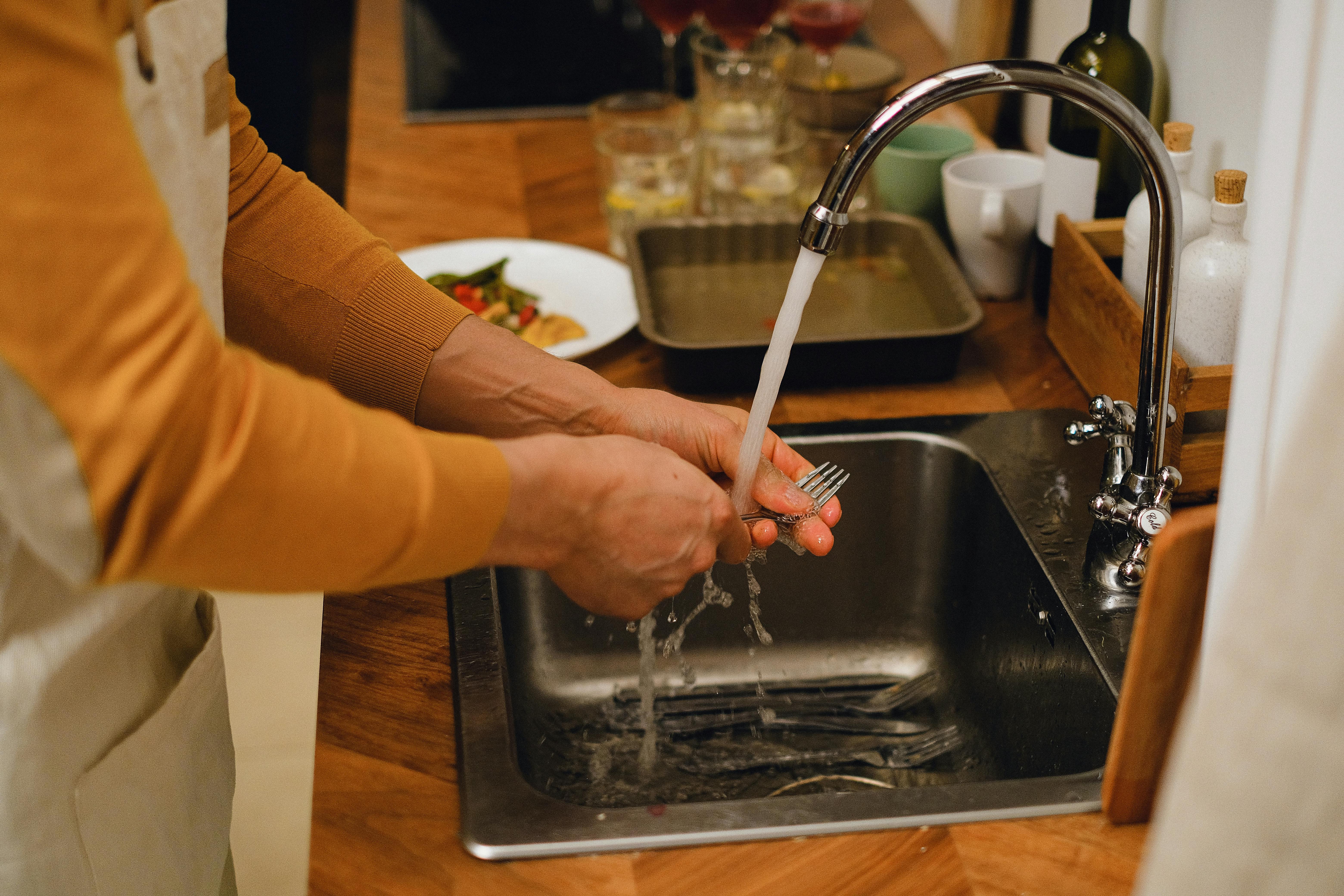
Many experts combining these strategies into one practical routine:
This balanced method improves cleaning while keeping safety in mind.

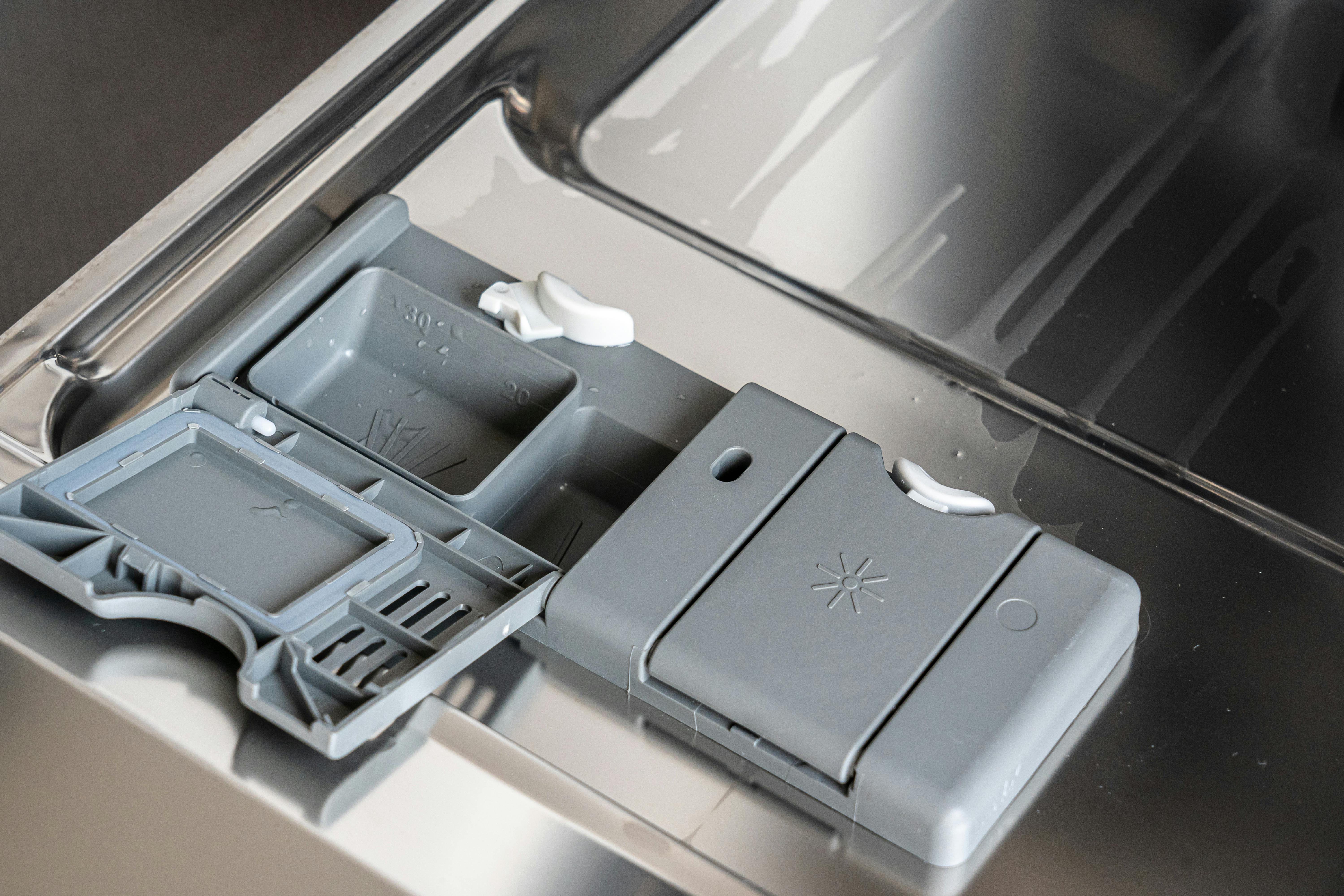
If adjusting your cutlery placement does not fix the issue, the dishwasher itself may need attention. Cleaning the filter, removing buildup, or using a dishwasher cleaner can improve performance.
Pre-rinsing or wiping off heavy food residue can also help your dishwasher work more effectively.
Loading cutlery may seem like a minor detail, but it can have a noticeable impact on your daily routine. A few simple adjustments can lead to cleaner utensils and a more efficient dishwasher.
By being more intentional with how you load your silverware, you can avoid frustration and get better results with every cycle. Clean utensils and plates are a key part of a , helping everything run more smoothly.